Washroom Specifier Guide: Designing Modern Commercial Spaces
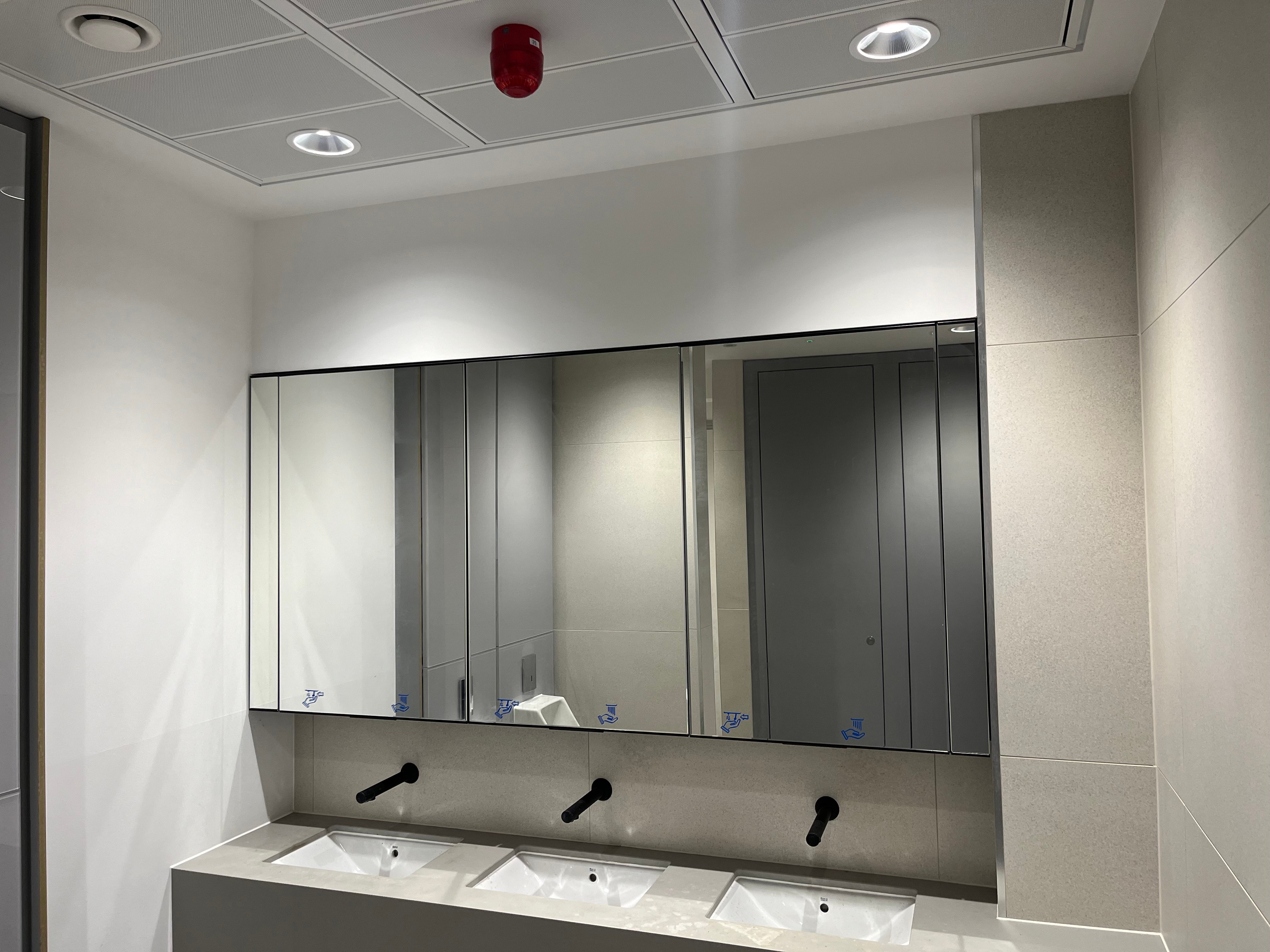

Designing commercial washrooms involves more than just selecting fixtures and fittings. These spaces must support hygiene, durability, accessibility and compliance with building regulations, while maintaining a professional appearance. For architects, facilities managers and contractors, every specification decision influences how well a washroom performs over time.
A well-designed washroom considers how people move through it, how easy it is to maintain, and how effectively products support hygiene, energy efficiency and sustainability goals. With careful planning, washroom spaces can deliver a reliable user experience while helping organisations manage operational demands.
1. Start with Hygiene Considerations
Hygiene remains central to commercial washrooms, with visitors and staff expecting spaces that feel clean, well maintained and simple to use. Hand washing facilities should be positioned to encourage compliance, with touch-free soap dispensers, taps and hand drying facilities, reducing the risk of cross-contamination.
2. Select Durable Materials for High-Traffic Areas
Commercial washrooms experience constant use, making durability a key consideration during specification. Materials must be able to withstand frequent cleaning, heavy footfall and the occasional impact, without losing their appearance or functionality.
Considering maintenance requirements, energy efficiency of fittings, compatibility with cleaning regimes and the availability of replacement parts helps facilities teams extend the lifecycle of washroom installations. Durable materials also maintain the professional appearance of washrooms in heavy use areas.
3. Plan for Efficient Layout and Accessibility
When designing or refurbishing commercial washrooms, the layout dictates both the user experience and operational efficiency. A well-planned footprint maximises traffic flow, simplifies maintenance, and ensures full compliance with UK building standards. Incorporating these considerations early in the design phase prevents costly retrofits and creates an inclusive environment for all users.
Strategic Space Allocation and Zoning
To cater to diverse user needs and maintain high hygiene standards, modern commercial washrooms should offer a balanced mix of facilities. We recommend allocating dedicated space for:
-
Regulations-Compliant Accessible Toilets: Essential for meeting legal obligations and ensuring inclusivity.
-
Single-Sex Facilities: To provide standard provision aligned with expected building occupancy.
-
Self-Contained Gender-Neutral Cubicles: Offering enhanced privacy and flexibility.
For high-traffic environments, washroom zoning is an effective strategy. Separating the layout into distinct zone, specifically isolating the WC cubicles, hand-washing basins and hand-drying stations, prevents bottlenecks, improves user circulation and keeps wet and dry areas clearly demarcated.
4. Incorporate Smart Storage and Dispenser Solutions
Maintaining an organised washroom environment often depends on effective storage and dispensing solutions. Cluttered spaces can quickly appear untidy and make maintenance more challenging.
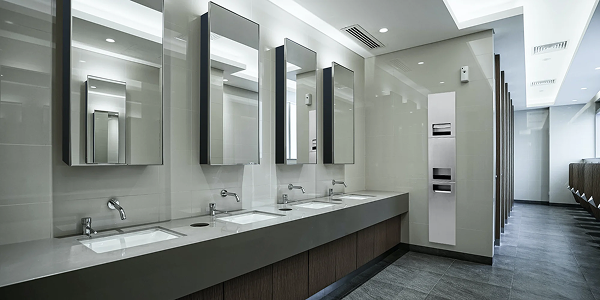
Integrated or recessed units help keep walls clear while creating a streamlined appearance. High-capacity dispensers can also support operational efficiency by reducing how often facilities teams need to restock consumables.
Dispensers that provide clear visibility of product levels make monitoring easier for maintenance teams, helping prevent empty consumables and unnecessary disruption and frustration for users.
5. Consider Sustainability and Resource Efficiency
Sustainability has become an important consideration in washroom design. Water-efficient taps and flushing systems reduce water use without affecting performance, while energy-efficient hand drying facilities support operational cost savings.
Durable materials and long-lasting finishes minimise waste and replacement costs, contributing to environmentally responsible building practices. Incorporating these elements supports energy efficiency and sustainability in both new buildings and refurbished washroom spaces.
6. Integrate Modern Design with Practical Function
A commercial washroom should complement the overall design of a building while remaining practical for everyday use. Contemporary spaces often feature minimalist finishes, concealed fittings and coordinated accessories that create a clean, cohesive aesthetic.
For specifiers, this means balancing visual consistency with product performance. Finishes, materials and fixture styles should work together across the wider scheme, while still meeting the demands of the environment they are being installed into. A washroom in a premium office, leisure venue or hospitality setting may call for a more design-led finish, while education, healthcare or transport settings may require a stronger focus on durability and ease of maintenance.
Product integration also plays an important role. Choosing coordinated ranges across dispensers, waste units, hand drying facilities and wash basin areas can help create a more considered finish and make the specification process more straightforward. Consistency across these elements improves the overall appearance of the washroom and can also support installation, maintenance and future replacement planning.
7. Build Longevity into Every Specification
The most successful commercial washrooms are designed for long-term performance. Careful product selection, thoughtful layout planning and attention to hygiene standards all contribute to durable, high-functioning spaces.
From a specification point of view, longevity comes down to choosing products that will continue to perform under daily pressure. That includes considering build quality, fixing methods, ease of servicing and how well products will withstand cleaning routines over time. In high-use commercial washrooms, these factors can directly affect maintenance costs, downtime and the overall lifespan of the space.
It is also important to think beyond the initial installation. Specifying products with reliable availability, access to replacement parts and a clear fit within the wider building scheme can make future updates much easier. A washroom planned with long-term practicality in mind is more likely to deliver lasting value for both the client and the end user.
Why Choose Dudley Industries for Your Washroom Specification?
Selecting the right manufacturer is just as important as choosing the right products. Dudley Industries provides durable, high-quality washroom solutions designed specifically for commercial environments, with a strong focus on stainless steel dispensers, accessories and hygiene products that withstand heavy use and frequent cleaning.
Beyond product quality, Dudley Industries supports specifiers throughout the process, offering guidance on suitable solutions, ensuring product compatibility, and helping create washrooms that are practical, visually consistent and built to last. Partnering with a trusted supplier ensures reliable supply, long-term performance and peace of mind for every project. Get in touch to see how we can support your next project or browse our extensive range of washroom equipment.