Anti-Ligature Isn't Just for Mental Health
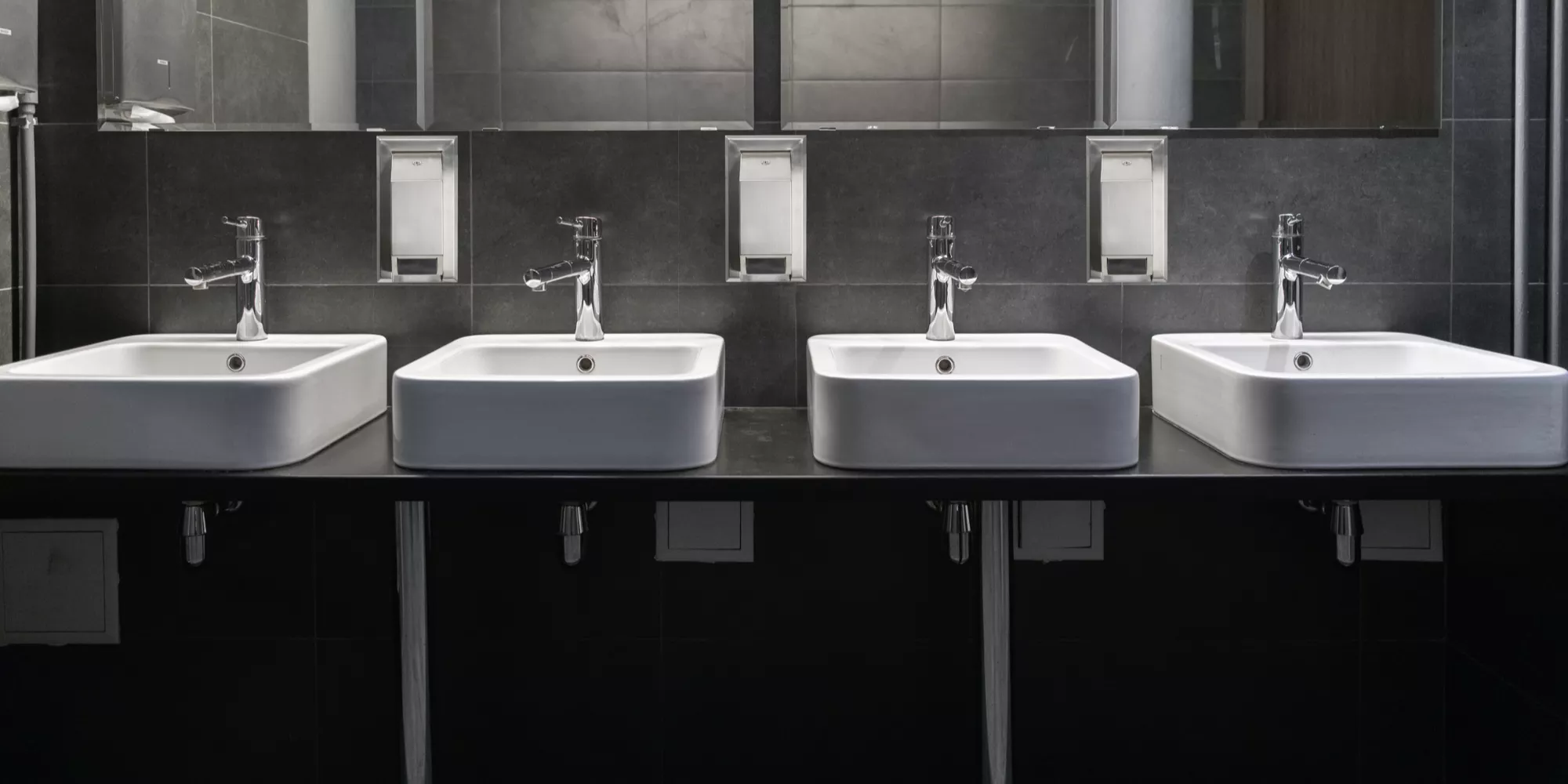

When most people hear the term “anti-ligature washroom”, they think of a mental health ward. That association is understandable, and mental health facilities remain central to the category. However, it is not the whole picture.
Any setting that looks after people who may be at risk of self-harm has a duty of care to consider its environment, and that includes the washroom. Washrooms are often private, unobserved and full of fixtures that can act as an anchor point.
Whether you specify, supply or maintain washrooms, this article explores other settings where anti-ligature specification may be relevant, and how these fixtures can support wider safeguarding measures.
What is a Ligature Point?
A ligature point is any fixture, fitting or gap that a ligature could be attached to. In a washroom, this can include dispensers, mirrors, bins, door hardware and the gaps and seals around them. Because these spaces are used privately, the fixtures in them deserve the same scrutiny as any other part of the building.
It is important to be clear about what a specification can and cannot do. No product removes risk entirely. Fixtures designed to help reduce the risk work best as one part of a wider risk assessment, alongside observation, staffing and care planning.
Who Needs an Anti-Ligature Washroom?
The same specification is relevant in a number of settings, each with its own duty of care.
Social, Emotional and Mental Health (SEMH) Schools and Alternative Provision
Schools and units supporting children and young people with social, emotional and mental health needs carry a particular responsibility for pupil safety. Alternative provision is education arranged for children who cannot attend mainstream school, and the UK Department for Education's statutory guidance applies across a wide range of settings, including pupil referral units, academies and independent providers.
These settings often include washrooms that pupils can use without direct supervision. Specifying fixtures designed to help reduce the risk of a ligature being attached is one way a school can show it has considered the physical environment as part of its safeguarding approach.
Police Custody
The UK College of Policing's guidance on detention and custody buildings and facilities states that products, materials and specifications used in custody should be tried and tested before installation, and that appropriate design and maintenance help to reduce risk to detainees, visitors and staff.
In practice, this points specifiers towards fixtures that are robust, securely fixed and free of gaps. Details such as seam welded construction, flush-fitting backplates and sealed wall plates are the kind of thing to look for, and it is reasonable to ask a manufacturer what testing and track record sits behind a product before it is specified.
Court Holding Facilities
Although stays in court holding facilities are typically short, they can be a stressful time for those in custody. HM Chief Inspector of Prisons' 2025 inspection of London Magistrates' Courts identified potential ligature points in cells. In response, HM Courts & Tribunals Service set out an action plan that includes a full inspection of cells to identify ligature points, including those associated with toilet and towel dispensers, followed by monthly checks.
Higher-Risk Healthcare Environments
Mental health wards are the most familiar example, but the need to consider ligature risks can extend to other healthcare settings where patients may be vulnerable, including assessment rooms and some emergency and acute care environments.
The Care Quality Commission notes that inpatient environments, patient populations and levels of risk vary, meaning there is no single standardised approach to assessing ligature risk. This is why individual risk assessments are important in determining where anti-ligature products and specifications are appropriate.
Anti-ligature, Beyond Mental Health
While these settings differ in purpose, they share one need: fixtures that have been designed with ligature risk in mind.
If you are reviewing a washroom environment, start with your own ligature risk assessment, then consider whether the fixtures specified are suited to the people who will use the space.
Discover The Anti-Ligature Range
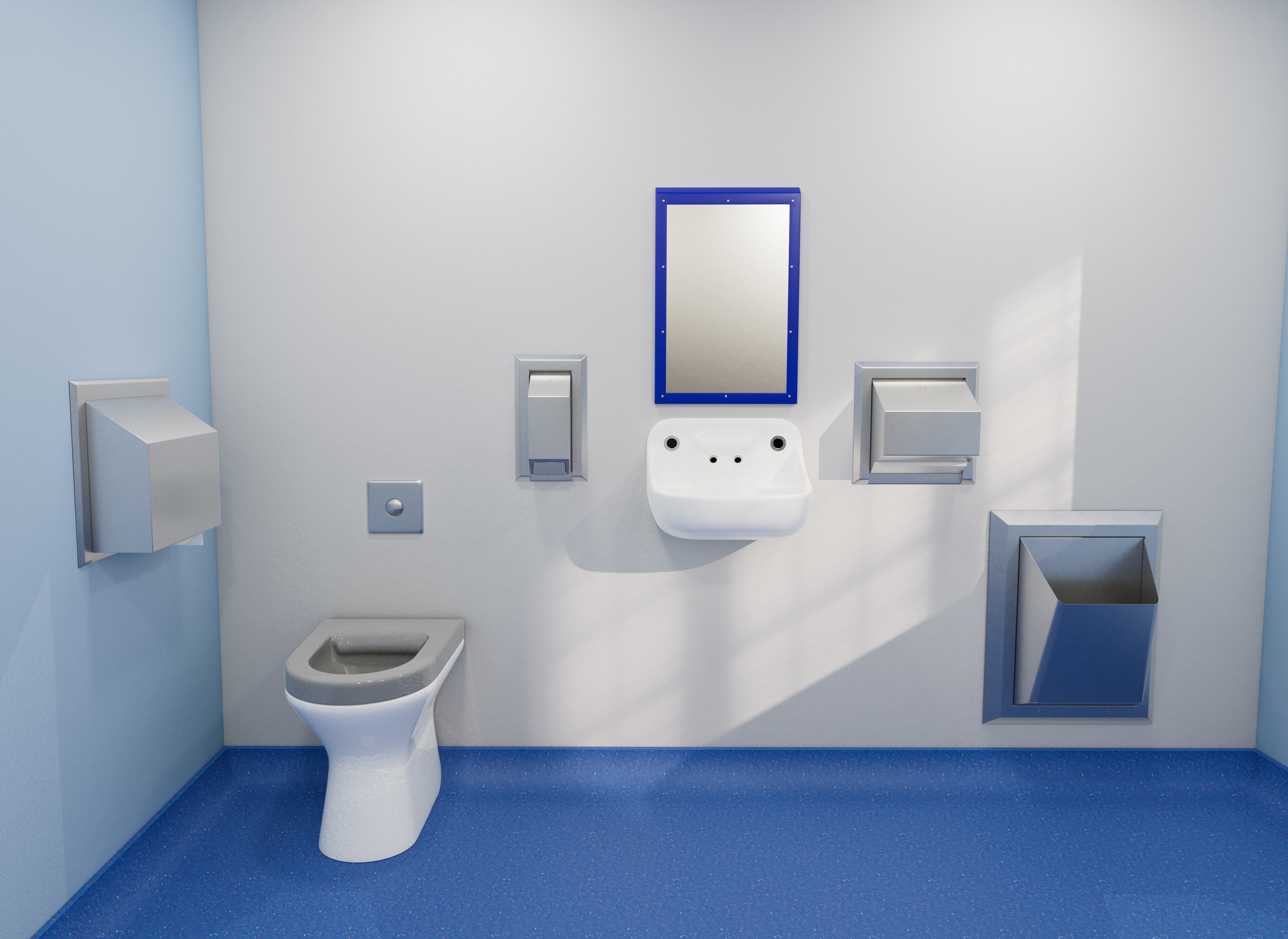
Developed in collaboration with healthcare experts, the stainless steel Anti-Ligature Range from Dudley Industries is engineered specifically for high-risk washroom environments. The range includes soap dispensers, toilet roll dispensers, an 11-litre waste bin and a mirror, with key features such as seam welded construction, lockable covers, sloped tops, flush-fitting backplates and rounded edges.
Browse the full Anti-Ligature range today. Alternatively, get in touch with the team to further discuss your requirements – we’re here to help.